TV guide
TV Won't Turn On? Power Checks Before You Call
Rule out sockets, remotes and standby faults when a television shows no signs of life.
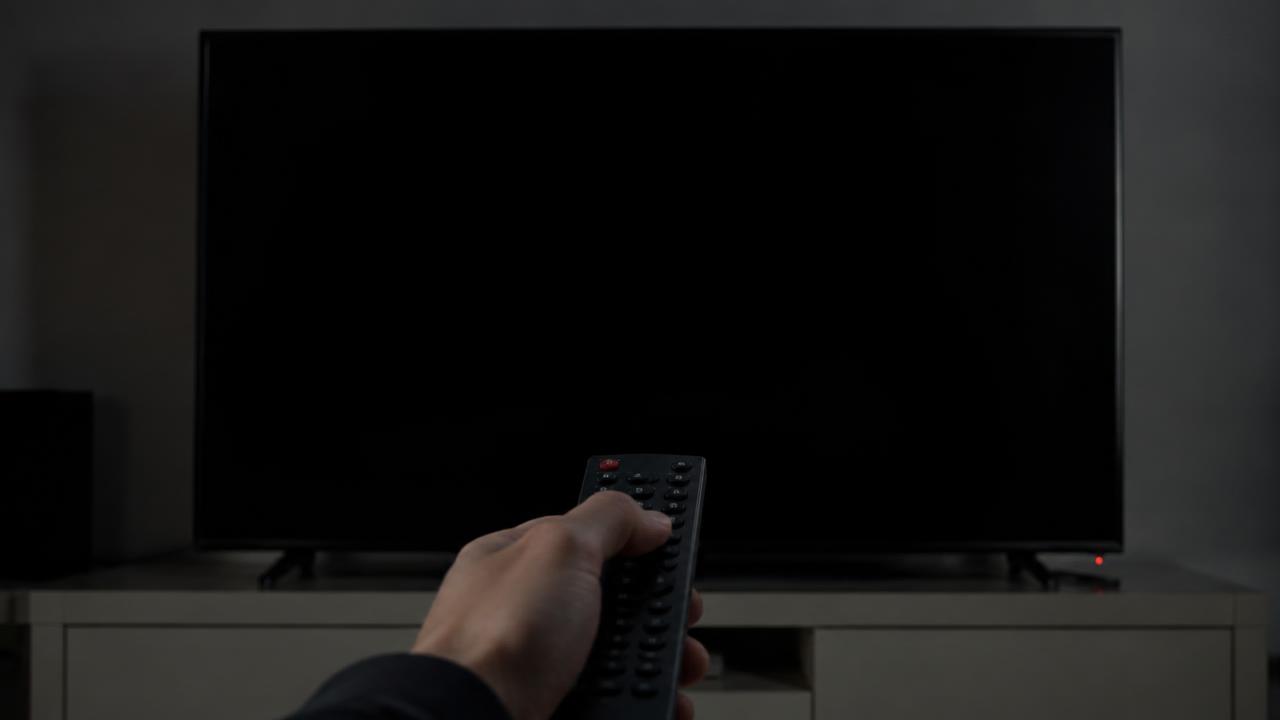
A TV that will not turn on may have a dead socket, a failed remote, a standby fault or an internal power-board problem — and half of those are free to check.
What the symptoms can mean
No standby light at all points to the power lead, socket or internal power board. A standby light that blinks or a TV that clicks without starting suggests an internal fault code worth noting.
What to do next
Test another device in the same socket, try the TV's own power button instead of the remote and unplug the TV for a full minute before retrying. Never open the casing — power boards hold dangerous charge even unplugged.
What the blinking light means
Many TVs report faults as a pattern of standby-light blinks, and the pattern identifies which board has failed. Noting the count of blinks before unplugging gives the technician a head start. A TV with no light at all is tested from the power lead inward until the failed stage is found.
Repair is usually worthwhile
Power boards are the most common TV failure and among the cheapest to repair, so a dead TV is rarely a dead loss. A diagnosis confirms the board and cost before any work, and a repaired power board typically outlasts the rest of the television.
When to arrange a diagnosis
If the problem continues after safe basic checks, a proper diagnosis is the best next step. It helps separate a replaceable part from a deeper board, power or software issue before any repair is approved.
Common questions
Why did my TV die after a power cut?
The surge when power returns is hard on TV power boards. A surge protector prevents most of these failures — and the board itself is usually repairable.
Can a completely dead TV be repaired?
Very often yes. No-power faults are usually the power board, which is a standard, cost-effective workshop repair.